At fnrtattoos.com, we write for people who care about the details. If you collect custom pins and medals, love body art, or spend time in studios, this guide will help you read the culture with a sharper eye.
What does tattoo culture and body art actually mean today in Australia?
Tattoo culture and body art in Australia are mainstream, but it’s still rooted in subculture values like belonging, respect, and earned credibility. You’ll see it in studios from Fitzroy to Fortitude Valley, and at conventions from Sydney to Perth.
Today, tattoo culture and body art span fine-line florals, bold traditional, realism, blackwork, and scarification or piercing communities. The “culture” part is how people learn, share, credit artists, and treat the work as personal and permanent.
Why do people get tattoos beyond “it looks cool”?
Most people choose tattoo culture and body art to mark identity, memory, survival, devotion, humour, or change. Even when the design is playful, it often carries a private meaning that matters more than the aesthetic.
In Australian studios, we also see tattoos used to reclaim the body after illness, grief, or major life shifts. The best conversations happen before the stencil goes on because that’s where intention turns into a design you will still respect years later.
How has Australian tattoo history shaped modern styles?
Australian tattooing has long ties to sailors, bikie scenes, the military, and underground art communities. Those roots helped establish the bold, readable look that still influences popular flash today.
At the same time, tattoo culture and body art in Australia now overlaps with gallery art, streetwear, and design schools. That blend explains why you can walk into a studio in Melbourne and choose between classic trad flash, hyper-real portraiture, or delicate ornamental work.
What’s the difference between appreciating and appropriating in tattoo culture?
Appreciation means learning context, giving credit, and making informed choices. Appropriation is lifting sacred or culturally specific symbols because they “look tough” without understanding, permission, or respect.
If you’re drawn to motifs from Māori, Aboriginal, Polynesian, Japanese, or other traditions, start by researching and speaking with artists who are connected to that lineage. Tattoo culture and body art has plenty of room for influence, but it also has boundaries that matter.
How do you choose a tattoo style that will age well?
A tattoo ages well when the design fits the body, has enough contrast, and is applied cleanly at the right depth. Trendy micro-details can look amazing on day one, but they can blur sooner, especially in high-friction areas.
Ask your artist how the lines will hold over 5 to 10 years, not just how it will look on Instagram. In tattoo culture and body art, the best flex is a piece that still reads clearly after beach summers, gym sessions, and time.
What should you look for in an Australian tattoo studio and artist?
Look for strong healed work, safe hygiene, clear communication, and a portfolio that matches what you want. A reputable Australian studio will follow local health requirements, use sterile needles, barrier protection, and proper disposal.
You should also feel respected. Tattoo culture and body art thrive when clients can ask “basic” questions without being rushed, shamed, or upsold. If a consultation feels off, walk away and book elsewhere.
How do consultations work, and what should you bring?
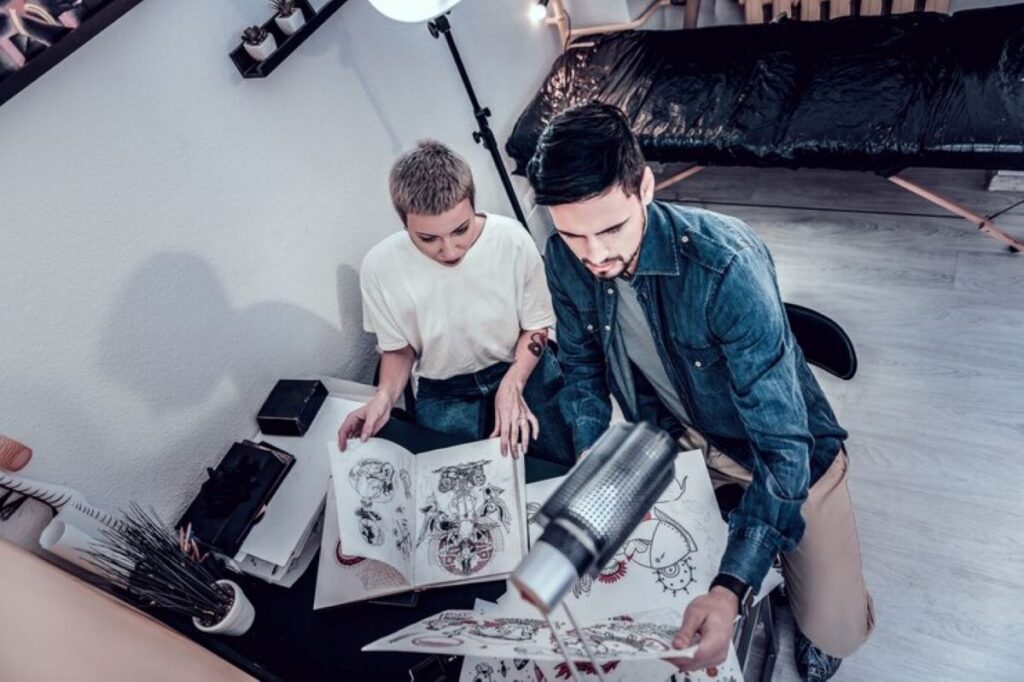
A good consult turns your idea into something workable for your body and budget. Bring reference images, but be clear about what you like about them: line weight, shading style, subject, or placement.
Also bring practical details: your schedule, any skin sensitivities, and whether you work outdoors in the Australian sun. Tattoo culture and body art are collaborative, and the more clearly you communicate, the easier it is to create something original instead of a near-copy.
What should you know about pain, placement, and session planning?
Pain depends on placement, your stress levels, sleep, and hydration. Ribs, sternum, hands, feet, and inner bicep often hit harder, while outer arm and thigh are easier for many people.
Plan your session like an event. Eat beforehand, avoid alcohol the night before, and wear clothing that gives easy access to the area. Tattoo culture and body art reward preparation because it helps you sit better, which helps the artist do cleaner work.
How do you take care of a fresh tattoo in Australian conditions?
Keep it clean, lightly moisturised, and protected from friction and dirt. In Australia, heat, sweat, saltwater, and sun are the biggest common threats to healing, especially in summer.
Follow your artist’s aftercare instructions over anything you read in a random forum. Tattoo culture and body art is full of strong opinions, but healing is not the place to experiment. If you’re unsure, message the studio and ask before you pick at anything.
How does collecting pins and medals connect to body art culture?
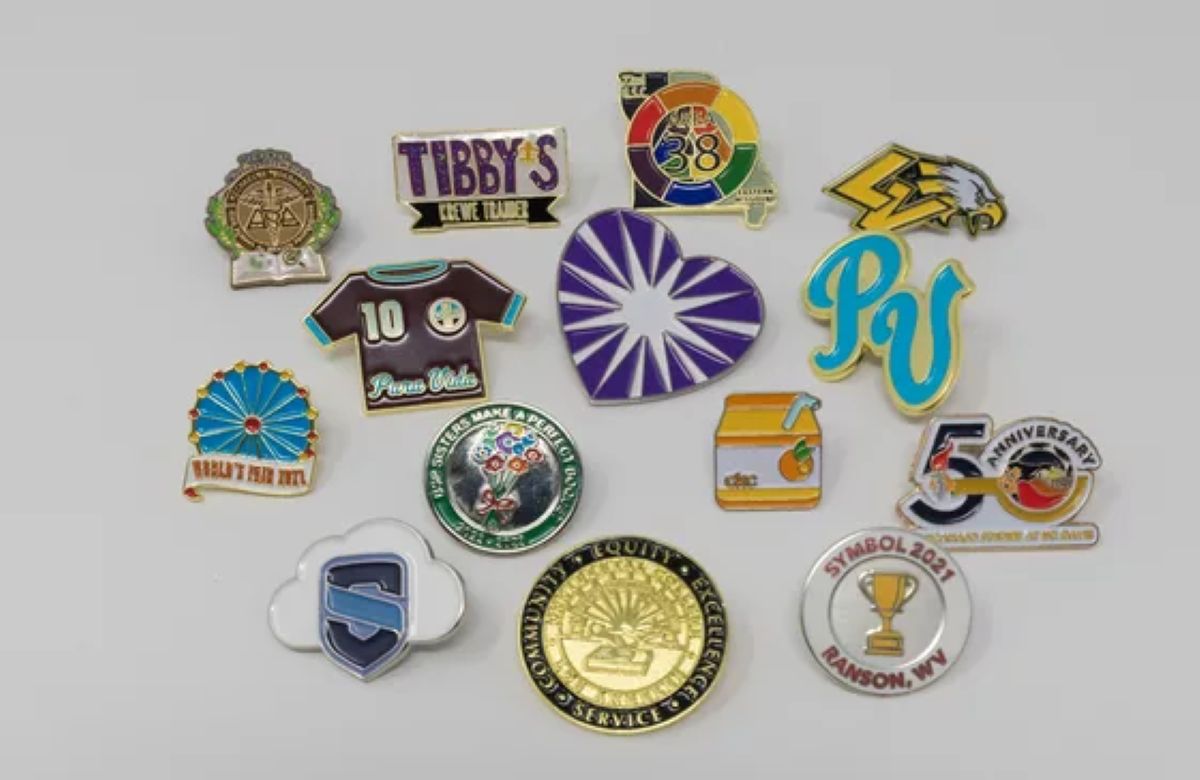
Pins and medals are wearable symbols, just like tattoos, but without the permanence. Collectors often use them to signal identity, music scenes, motorcycle clubs, tattoo conventions attended, or simply a love of design.
That overlap is why tattoo culture and body art fits naturally on a site like fnrtattoos.com. If you understand composition, iconography, and craftsmanship in enamel or metal, you already understand a lot about why good tattoos feel “designed”, not just drawn.
What are leather pinback buttons, and why do they fit tattoo aesthetics?
Leather pinback buttons are pins made with a leather face instead of enamel or printed metal. They suit tattoo culture and body art because leather ages, marks, and develops character, much like well-lived skin and well-worn gear.
They also photograph beautifully with studio tools, flash sheets, and denim or workwear. If you like blackwork, traditional flash, or biker-inspired motifs, leather pinback buttons can carry that same bold silhouette and texture in a collectable format.
How do you choose quality leather pinback buttons for your collection?
Start with construction. Look for clean cuts, sealed edges, centred artwork, and a sturdy pinback that won’t bend after a few wears on a jacket. If the leather is too thin or poorly finished, it can curl or crack.
Next, check the artwork application: embossing, debossing, screen print, or patch-style layering. Collectors who love tattoo culture and body art usually prefer strong contrast and readable designs because they hold up across distance, lighting, and daily wear.
Where should you wear leather pinback buttons, and how do you protect them?
Wear them on heavier fabrics like denim jackets, canvas bags, or vests so the pin doesn’t tear material. Avoid placing them where seatbelts rub constantly because leather edges can fray over time.
To protect them, store them dry and out of direct sunlight when not in use. Australian humidity and heat can warp cheap adhesives or finishes, so quality matters. Tattoo culture and body art collectors tend to keep pieces for years, so treat pins like you treat a good tattoo: protect the surface.
What etiquette matters most in studios and at conventions?
The basics are simple: be on time, be clean, and don’t touch equipment or fresh work. Always ask before filming, photographing flash, or posting an artist’s work, especially during busy convention days.
If you’re collecting at events, don’t haggle aggressively with small makers. Tattoo culture and body art is built on relationships, and the community remembers who acts with respect. Tip when it’s appropriate, credit artists, and don’t pressure anyone to copy another person’s tattoo.
How can you participate in tattoo culture without getting tattooed?
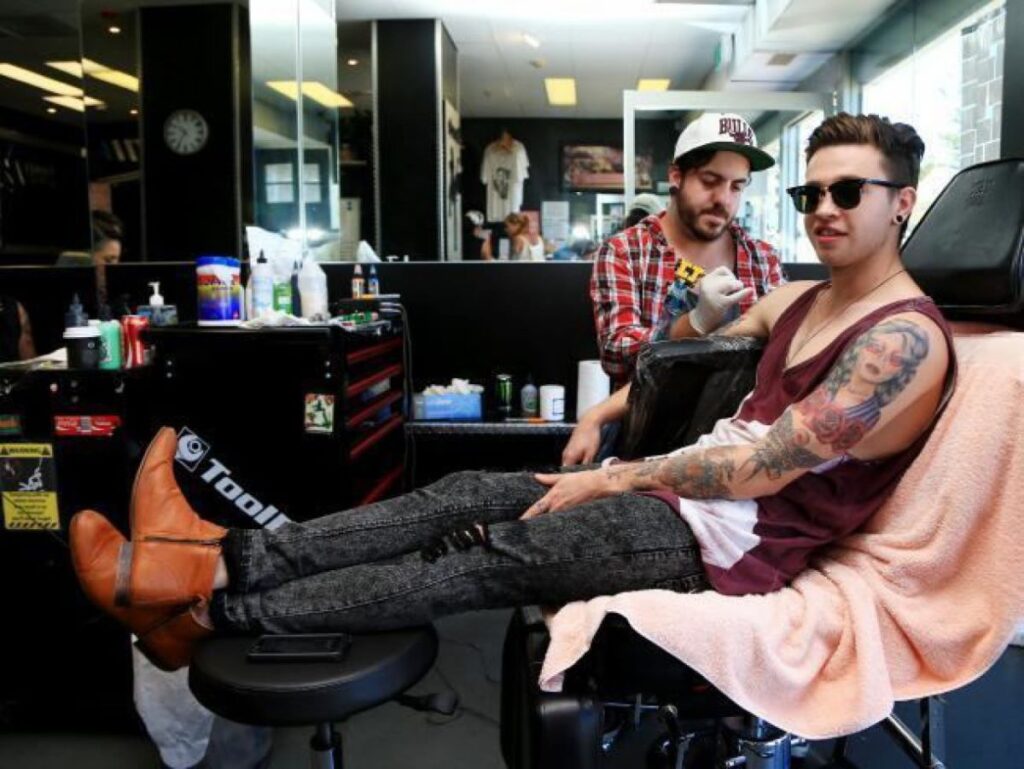
You can still support tattoo culture and body art by collecting flash prints, commissioning illustrations, buying pins or patches from artists, and learning the history behind styles. Many studios sell merch that funds apprenticeships, equipment upgrades, and community projects.
You can also attend Australian conventions, follow artists for healed work, and share credit properly. The culture isn’t only about having tattoos. It’s also about valuing the craft and the people who keep standards high.
What’s the smartest way to start if you’re new to tattoos and collecting?
Start small and start intentional. Book a consult for a simple design with clean fundamentals, and begin a pin collection with makers whose work you genuinely want to represent.
If you remember one thing, make it this: tattoo culture and body art rewards patience. Wait for the right artist, pay for quality, heal properly, and collect pieces that tell a story you actually want to carry in public.
More to Read : Tattoo Culture and Body Art: What to Weigh Up, Including Game Coins

Be First to Comment