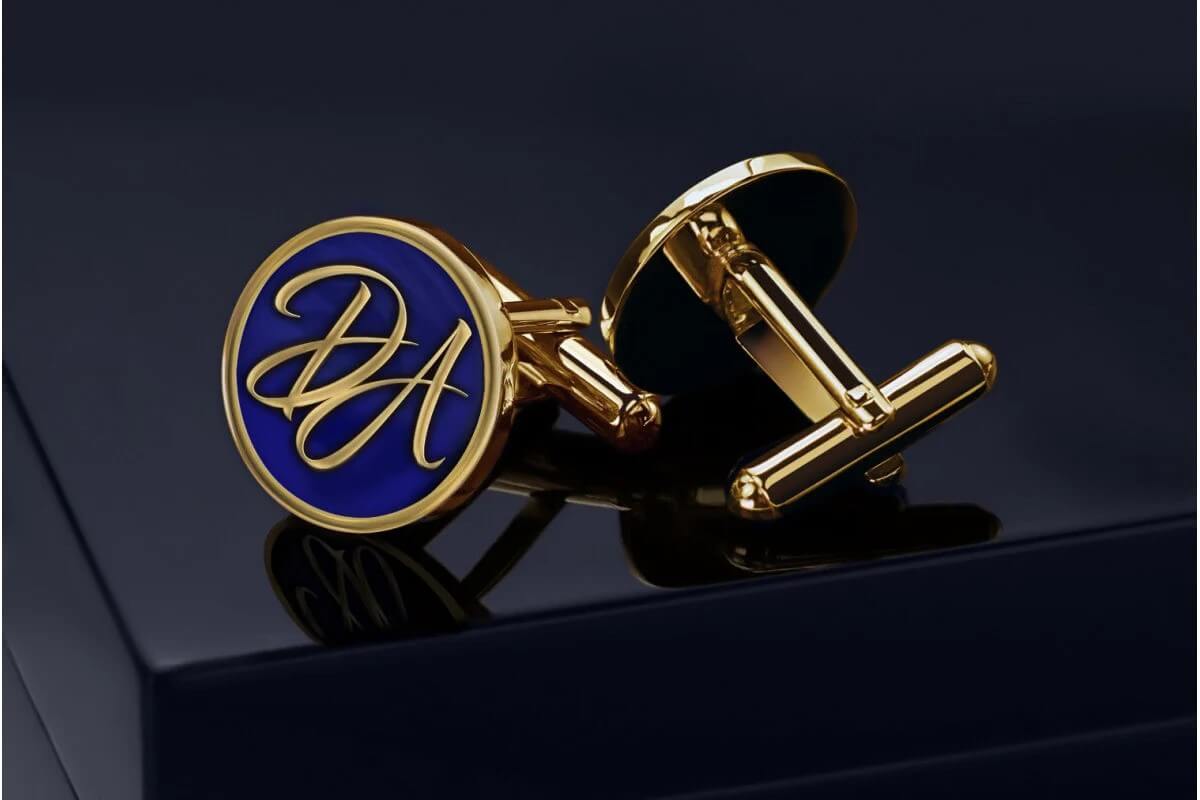
This guide breaks down what to weigh up before you commit, including the surprisingly common crossover with game coins, digital collectibles, and fandom iconography.
What does tattoo culture and body art mean in Australia right now?
Tattoo culture and body art in Australia sits somewhere between fine art, craft, fashion, and identity. It’s not “one scene” anymore; it’s many scenes overlapping across studios, conventions, music, sport, streetwear, and online fandoms.
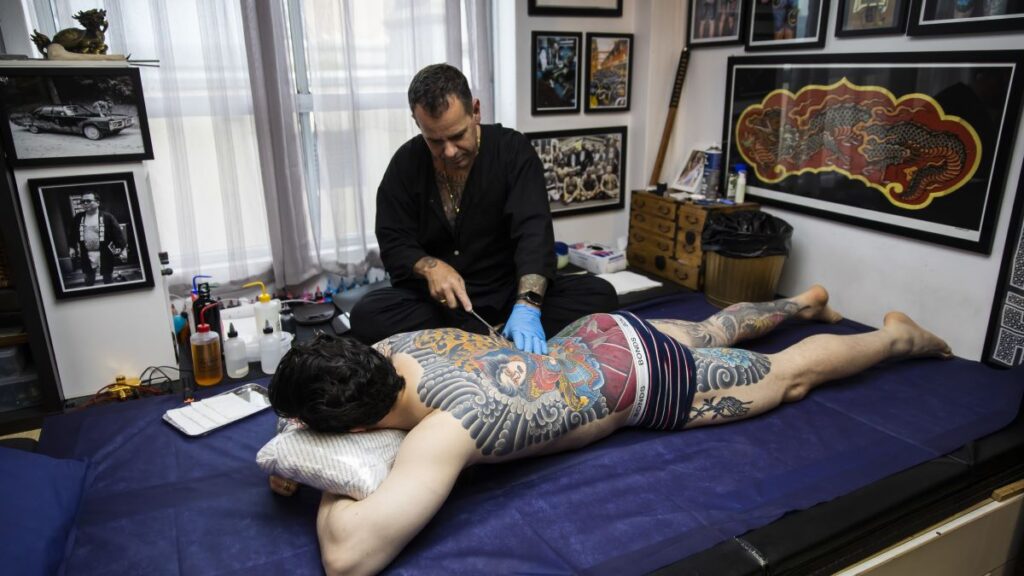
You’ll see traditional flash beside micro-realism, Japanese bodysuits beside single-needle script, and cultural motifs beside game-inspired symbols. That mix is exactly why decisions matter because context changes meaning. Check out more about Body Artists.
Why do people connect collecting and tattoo culture and body art?
Collectors often approach tattoo culture and body art the same way they approach pins or medals: by curating symbolism. A tattoo can mark a life event, a community, a belief, or simply an aesthetic era you don’t want to forget.
The overlap shows up in how people talk about pieces: limited designs, artist reputation, provenance, and care. Even “placement” on the body mirrors how collectors think about display and framing.
What should you ask yourself before getting tattoo culture and body art?
Start with intent: are you marking something or chasing a look you might outgrow? Tattoo culture and body art rewards clarity because laser removal is expensive and cover-ups have limits.
Ask yourself three questions: Would I still want this in five years? Do I want it visible at work or family events? Am I choosing this artist for their style or just their availability? Your answers shape everything else.
How do you choose the right artist for tattoo culture and body art?
Pick an artist whose healed work matches the style you want, not just fresh photos. In tattoo culture and body art, healed lines, settled shading, and long-term readability are the real proof of skill.
In Australia, it’s normal to book consultations and pay deposits, especially in Sydney, Melbourne, Brisbane, Perth, and Adelaide where demand is high. Look for consistency, clean execution, and clear communication about what will and won’t age well.
How much does tattoo culture and body art cost in Australia?
Tattoo culture and body art pricing in Australia varies by city, studio, and complexity. Many studios have a minimum charge, then price by size, detail, and time, while larger work may be hourly or day-rate.
Budget beyond the tattoo itself. Factor in deposit, touch-ups (if offered), aftercare products, and the time you’ll need to heal properly. If a price feels wildly low for the quality shown, treat that as a warning, not a bargain.
What health, hygiene, and legal checks matter most?
The non-negotiable is safe practice: single-use needles, sterile setup, proper barrier control, and clear aftercare instructions. Tattoo culture and body art should never require you to “trust the vibe” over visible hygiene.
In Australia, studios operate under state and territory health guidelines, but enforcement and standards can still vary. If you’re unsure, ask direct questions: How is equipment sterilised? What is single-use? What happens if I have a reaction?
How do you choose placement and size so it still looks good later?
Placement is where tattoo culture and body art meets physics: skin moves, stretches, and ages. Hands, fingers, feet, and ribs can be high-impact but higher-risk for fading, blowouts, or discomfort.
Size matters for longevity. Fine detail needs room to breathe, especially for symbols, faces, and text. If you want something intricate, going slightly larger often produces a cleaner result that stays legible for years.
What styles age best in tattoo culture and body art?
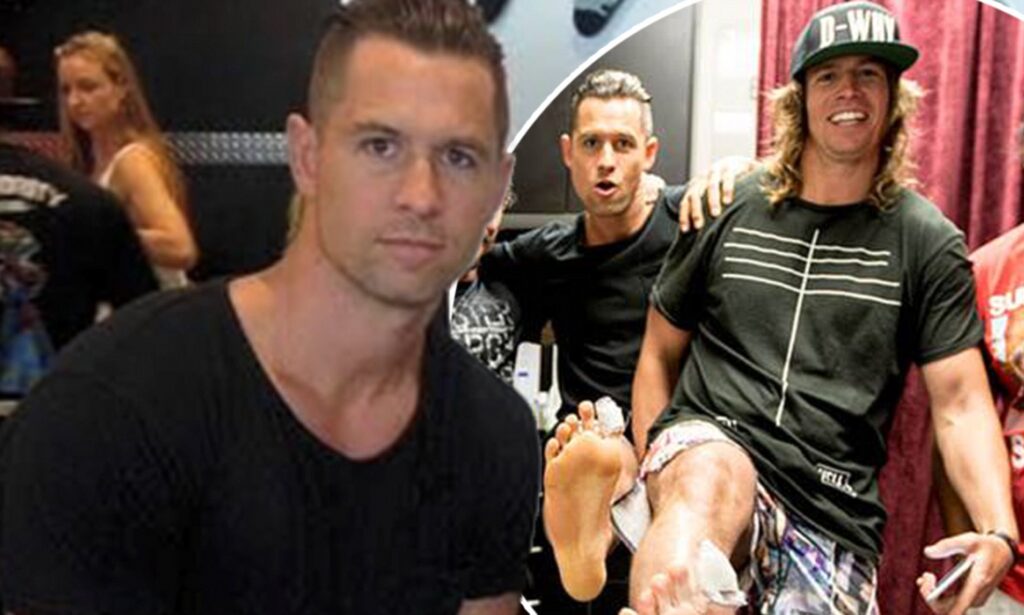
Bold designs tend to hold: clean linework, readable shapes, and strong contrast usually age more predictably. Tattoo culture and body art with ultra-fine lines can look stunning early, but may soften faster depending on placement, skin type, and sun exposure.
That doesn’t mean you must avoid delicate work. It means you should match the style to the body area and accept what “aging” looks like for that approach. Healed-photo portfolios help you decide realistically.
How do you handle cultural symbols respectfully?
Tattoo culture and body art in Australia exists alongside living cultures, including Aboriginal and Torres Strait Islander communities and many migrant traditions. Some motifs are sacred, restricted, or context-specific, even if they look “aesthetic” online.
If you’re drawn to a symbol from a culture you’re not part of, slow down. Ask why you want it, research meaning, and consider alternatives like commissioning an original design that nods to an influence without copying protected patterns.
What is the link between game coins and tattoo culture and body art?
Game coins show up in tattoo culture and body art because they’re modern tokens of time, effort, and identity. For some people, they represent a first console, a favourite franchise, a ranked season, or friendships built in-game.
You’ll see coin motifs used as minimal icons, shiny “medallion” realism, pixel-art currency, or stylised crests. The appeal is simple: coins are already designed to be symbolic, readable, and collectible, which makes them naturally tattooable.
How can you turn game coins into a tattoo concept that won’t feel dated?
The best approach is to translate, not copy. Tattoo culture and body art inspired by game coins can keep the meaning while avoiding a design that looks like a screenshot.
Try these directions: a coin as part of a larger “collector’s layout” with pins and medals; a coin rendered like an antique Australian commemorative piece; a simplified silhouette that keeps the core shape; or a hidden coin worked into a broader sleeve theme. Timeless execution beats perfect accuracy.
Should you worry about copyright when using game coins in tattoos?
Yes, you should at least think about it. Tattoo culture and body art based on recognisable game coins can involve protected logos or characters, and some artists will refuse direct copies.
In practice, many studios will steer you towards an original reinterpretation. That’s usually the safest path for everyone, and it also produces a better tattoo because it’s designed for skin rather than a screen.
How do aftercare and long-term maintenance actually work?
Aftercare is where tattoo culture and body art either stays crisp or starts degrading early. Follow your artist’s instructions exactly, keep it clean, don’t pick, and avoid swimming, sweating heavily, and direct sun during healing.
Long-term, your best tools are boring: sunscreen, moisturising, and occasional touch-ups where needed. The Australian sun is harsh, and UV is one of the fastest ways to dull contrast, especially in colour work and fine detail.
What should collectors consider if they want multiple tattoos over time?
Think in “collection planning” terms. Tattoo culture and body art looks best when it has breathing room, a coherent flow, and a clear strategy for future pieces.
If you’re building a patchwork sleeve, decide your rules: colour palette, subject matter, border style, and spacing. If you want a single large piece, avoid filling prime real estate with small tattoos you might later wish were part of a bigger composition.
How do you talk to your artist so you get what you actually want?
Bring references for style, not just subject. Tattoo culture and body art is full of misunderstandings like “fine line” meaning different things to different people, or “realism” being used too loosely.
Tell your artist: where it will go, how big you want it, what you want it to communicate, and what you dislike. Ask them what they would change for longevity. A good artist will explain trade-offs clearly and won’t pressure you into something that won’t heal well.
What are the most common regrets, and how do you avoid them?
Most regrets come from rushing: picking the nearest studio, choosing the cheapest option, copying someone else’s tattoo, or ignoring placement realities. Tattoo culture and body art are permanent enough that impatience gets expensive.
Avoid regret by doing three things: view healed work, sit with the idea for a few weeks, and book with an artist whose style you genuinely love. If the artist says no to your idea as requested, listen, then redesign together.
What’s the bottom line on tattoo culture and body art, including game coins?
Tattoo culture and body art are at their best when they’re intentional, well-made, and cared for like any other collectible. Game coins can be a brilliant motif if you treat them as symbolism and design for skin, not for a screen.
If you want the safest path: choose an Australian artist who specialises in your style, commission an original design, plan placement for ageing, and commit to aftercare. That’s how you end up with a piece you’ll still be proud to “collect” in ten years.
More to Read : What Should You Know About Tattoo Culture and Body Art? Including Leather Pinback Buttons

Be First to Comment