At fnrtattoos.com, we focus on tattoo culture and body art from real studio and industry experience, so you can make better choices about design, artists, care, and context.
What is tattoo culture and body art, really?
Tattoo culture and body art are the living world around marks, modifications, and adornment, including the people, histories, and ethics that shape them. It is not just “getting inked”; it includes studio practice, aftercare standards, style lineages, and community norms.
In Australia, tattoo culture and body art also reflect local laws, licensing expectations, and the ways studios build trust with clients over time. Read more about preparing yourself for body art.
Why does tattoo culture and body art matter for collectors?
Tattoo culture and body art matter because they change how you value craftsmanship, originality, and provenance. Collectors tend to care about who made a piece, why it was made, and how it holds up, which maps closely to how serious tattooers approach custom work.
If you are building a personal archive through pins, medals, and tattoos, tattoo culture and body art give you a framework to spot quality and avoid trends that will not age well.
How has tattoo culture and body art evolved in Australia?
Tattoo culture and body art have moved from fringe to mainstream, but the best studios have kept the same core standards: hygiene, drawing ability, and honest client guidance. Social media accelerated style awareness; yet it also pushed fast, copycat designs that can flatten the craft.
Across Australia, you will see a stronger push for custom, artist-led work, especially in cities like Sydney, Melbourne, Brisbane, Perth, and Adelaide.
What are the most common tattoo styles you will see today?
You will see fine line, blackwork, traditional, neo-traditional, realism, Japanese, tribal revivals, and illustrative work across most Australian studios. The key is that style should serve the idea, not the other way around.
If you want to navigate tattoo culture and body art confidently, ask the artist what they specialise in and view healed examples, not just fresh photos.
How do you choose the right artist without guessing?
Start with portfolios, healed work, and consistency, then match that to your design goals and budget. A great artist will ask questions, suggest edits, and explain what will hold up on your skin over the years.
In tattoo culture and body art, trust is built through communication. If a studio pressures you, dismisses questions, or will not discuss aftercare, treat that as a serious warning sign.
What should you know about cultural motifs and respectful borrowing?
Some imagery carries deep cultural ownership, including certain Māori, Pasifika, and Aboriginal motifs. In Australia, the respectful approach is to understand what is closed practice, what is permission-based, and what is simply inspired by broader aesthetics.
Tattoo culture and body art rewards humility. If you love a motif, talk to artists who understand its context, and be ready to change direction if something is not yours to wear.
How does placement affect ageing and legibility?
Placement changes everything: friction, sun exposure, and skin movement can blur fine details faster than you expect. Fingers, hands, and feet can be high maintenance, while upper arms, thighs, and backs often hold detail better.
Tattoo culture and body art is full of beautiful ideas that fail due to placement. Ask your artist how the design will heal and look in five to ten years, not just on day one.
What are the hygiene and safety basics you should never compromise on?
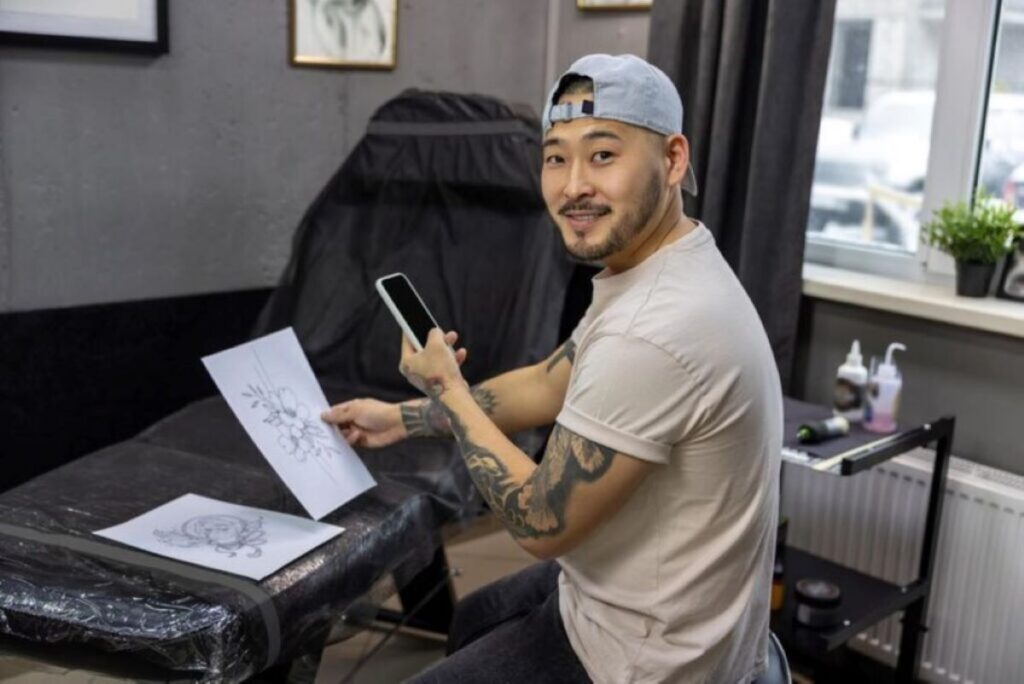
A reputable studio uses single-use needles, proper sharps disposal, medical-grade disinfecting routines, and clear barrier practices. You should see gloves used correctly, surfaces protected, and paperwork that covers health screening and consent.
In Australian tattoo culture and body art, professional standards are non-negotiable. If anything feels improvised, you can leave before the needle touches skin.
What aftercare actually helps, and what commonly makes things worse?
Follow your artist’s instructions, keep it clean, avoid soaking, avoid sun, and do not pick at scabs. “Overdoing it” is a classic mistake: too much washing, too much product, and too much touching can slow healing.
Tattoo culture and body art includes care as part of the craft. The studio can do perfect work, but poor aftercare can still cause patchiness, scarring, or infection.
How do tattoos connect with other body art like pins and medals?
Pins and medals often use the same visual language as tattoos: bold silhouettes, symbolic motifs, and limited palettes that read instantly. Many collectors build “sets” across mediums, such as a tattoo plus a pin drop that references the same theme.
Tattoo culture and body art fits naturally into collector thinking: you curate, you research makers, and you care about finish, longevity, and story.
What should you know about wedding body art choices in Australia?
Wedding tattoos are increasingly common in Australia, from small date pieces to matching designs for partners or bridal parties. The practical issue is timing: do not book a new tattoo too close to the wedding if you want flawless healing.
If you are planning tattoo culture and body art moments around a wedding, give yourself weeks, not days. That includes avoiding sunburn, tan lines, and last-minute cosmetic treatments near the area.
How can dried flowers for weddings fit into tattoo culture and body art?
Dried flowers for wedding themes pair beautifully with tattoo culture and body art because both lean into symbolism and preservation. Dried florals can represent permanence, memory, and seasonality, which also makes them strong tattoo subjects.
In Australia, many couples use dried natives like banksia, billy buttons, eucalyptus, and strawflower. Those shapes translate well into linework, blackwork, or fine dot shading.
What are the best ways to turn dried flowers for wedding ideas into tattoo designs?
Bring your florist’s palette, photos of your bouquet, and a few reference images of tattoo styles you like. A good artist will simplify the flower structure so it reads cleanly at tattoo scale, especially if you want fine details.
For tattoo culture and body art collectors, consider “design continuity”: a bouquet tattoo that matches your wedding pin, medal, or invitation artwork can become a cohesive personal set.
When should you book a flower-inspired tattoo if you have a wedding date?
Book the consultation early and schedule the tattoo at least six to eight weeks before the wedding if it will be visible, longer if it is large or colour-heavy. That gives time for peeling, touch-ups if needed, and any redness to fully settle.
Tattoo culture and body art planning is still planning. If you want crisp photos on the day, avoid brand-new work right before the ceremony.
What should you ask an artist before getting floral or fine line work?
Ask how the artist designs for ageing, what line weight they use for longevity, and whether they have healed photos of similar florals. Fine line flowers can look stunning, but if the design is too delicate, it can fade into a grey blur.
In tattoo culture and body art, the smartest clients ask about the “healed outcome”, not just the fresh look under studio lighting.
How do you keep wedding-day tattoos looking their best in photos?
Moisturise normally once healed, avoid sun exposure, and do not apply makeup or oils onto a fresh tattoo. If you are wearing strapless outfits or sheer fabrics, check for rubbing points that could irritate healing skin.
Tattoo culture and body art is photo-friendly when it is healed and calm. If in doubt, choose placement that stays covered during the day and reveal it later.
What is the biggest mistake people make when buying into tattoo trends?
They choose a trend before they choose an artist, then they choose an artist before they choose a long-term idea. That order often leads to rushed designs and avoidable cover-ups.
Tattoo culture and body art works best when you respect the process: research, consult, customise, and commit only when the design feels like yours.
What is the simplest way to approach tattoo culture and body art with confidence?
Treat it like any serious collecting: learn the basics, focus on makers, and prioritise quality over impulse. If you do that, you will get better tattoos, better stories, and a stronger sense of connection to the community around the craft.
At fnrtattoos.com, tattoo culture and body art is never filler. It is about culture, craftsmanship, and care, so your next piece is one you are proud to carry.
More to Read : 10 Things Worth Knowing About Tattoo Culture and Body Art, Including Funeral Wreaths

Be First to Comment