This guide is written for Australian readers who care about the story behind the ink and the objects we keep. If you’re here to understand tattoo culture and body art in a practical, grounded way, you’re in the right place.
1) What does tattoo culture actually mean in Australia?
In Australia, tattoo culture is the shared history, etiquette, and values that shape how people get tattooed and how artists work. It includes everything from studio hygiene standards to how you book, tip, and credit artists online.
At its best, tattoo culture and body art are about respect for craft and consent. If you understand the basics, you’ll have better experiences in studios from Perth to Parramatta.
2) Why do tattoos carry so much personal and social meaning?
Tattoos are wearable memory. People mark milestones, grief, recovery, family, identity, and sometimes just a love of design done well.
Meaning can be private and still matter. In tattoo culture and body art, it’s normal to keep the story to yourself, and it’s also normal to want a piece that signals belonging, like a footy tribute, a cultural motif, or a shared flash day design.
See Also : Prevalence of tattooing and body piercing
3) How do you choose an artist without getting burned?
Choose an artist by their healed work, not just fresh photos. In Australia, a solid portfolio should show consistent lines, readable colour, and clean blackwork across multiple skin tones.
Also look at how they communicate. Good tattoo culture and body art starts before the needle: clear booking info, transparent pricing ranges, and boundaries around what they will or won’t copy.
4) What’s the real difference between custom work and flash?
Custom work is designed for you and your body. Flash is pre-drawn art that’s repeatable, often with small tweaks, and it’s a big part of studio tradition.
Neither is “better”. In tattoo culture and body art, flash keeps history alive, while custom work pushes personal storytelling. If you collect pins or medals, think of flash like limited runs and custom like a commission.
5) How do tattoo styles evolve, and which ones are common in Australia?
Styles evolve through travel, social media, conventions, and apprenticeship lines. In Australia you’ll commonly see trad and neo-trad, fine line, Japanese-inspired work, realism, blackwork, and illustrative pieces.
Style is a tool, not a rule. The smartest approach to tattoo culture and body art is matching style to subject matter, placement, and how you want it to age over five to ten years.
6) What should you know about placement, pain, and ageing?
Placement changes everything: pain levels, how a design flows, and how it holds up. High-movement areas like fingers and feet often fade faster, while areas with steadier skin like outer upper arms tend to age more predictably.
Ageing is normal. In tattoo culture and body art, “healed and lived-in” isn’t a failure, it’s reality. If you want crisp longevity, plan for bold shapes, enough spacing, and a design that reads at a distance.
7) How do you handle aftercare properly in Australian conditions?
Follow your artist’s instructions first, because they know their method and products. Broadly, keep it clean, don’t soak it, don’t pick it, and keep it out of the sun, especially during an Australian summer.
Heat, sweat, and beach days can complicate healing. Tattoo culture and body art includes the boring part: saying no to ocean swims and long sun exposure until you’re properly healed.
8) Why is hygiene and regulation such a big deal in studios?
Because it’s about safety, not aesthetics. Reputable Australian studios use single-use needles, barrier protection, proper sterilisation processes, and clear cleaning routines between clients.
If something feels off, walk out. Strong tattoo culture and body art isn’t about “toughing it out”. It’s about professional standards, informed consent, and clean practice that protects clients and artists.
9) How do collectors connect tattooing with pins, medals, and other body art objects?
Collectors often move between mediums: a tattoo from a favourite artist, a pin from a convention, a medal from a community event, a patch from a band, a print from a flash sheet drop.
The common thread is curation. Tattoo culture and body art share the same collector mindset as enamel pins or medals: provenance, limited pieces, maker credit, and the story of where you got it.
10) What’s the connection between tattoo culture and funeral wreaths?
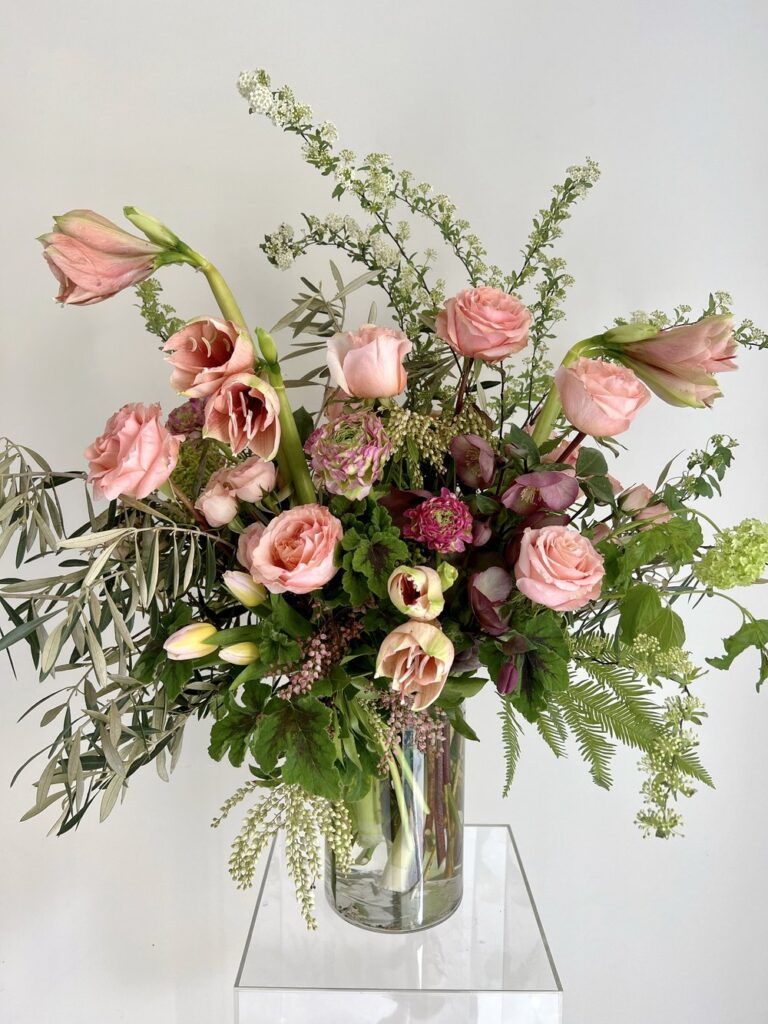
Funeral wreaths and tattoos both function as symbols of remembrance. In Australia, wreaths are common at funerals, memorial services, RSL commemorations, and anniversaries, and they carry messages when words feel too hard.
In tattoo culture and body art, memorial tattoos often echo the same themes you see in wreaths: names, dates, flowers, religious symbols, service references, and personal emblems. Some people even tattoo floral elements inspired by wreath shapes, like circular frames or laurel arrangements, to represent continuity and honour.
How do you approach memorial tattoos with care?
Start by giving grief time. A good artist will help you refine the idea so it’s wearable and emotionally right, not rushed.
Bring reference material if it helps, such as a photo of a wreath from a service, a funeral notice motif, or flowers that mattered to the person. Within tattoo culture and body art, it’s completely normal to translate that reference into something more timeless, like a stylised native bloom or a simplified botanical outline.
What are respectful design ideas linked to wreath imagery?
Keep it personal and clear. Consider a circular floral frame around initials, a small laurel on the forearm, or an Australian native wreath element like wattle or banksia worked into a larger piece.
Respect also includes placement and visibility choices. Tattoo culture and body art give you permission to make it private, like ribs or upper thigh, or public, like inner forearm, depending on what support you want day to day.
Should you tell the artist the full story?
Only if you want to. You can say, “It’s a memorial piece and I want it calm and not too busy,” and that’s enough.
That said, a little context can improve the outcome. In tattoo culture and body art, artists often design better when they know whether the feeling should be celebratory, solemn, or quietly resilient.
What are a few unwritten rules that help you navigate studios and conventions?
Ask before touching portfolios, flash books, or machines. Don’t bargain hard on price, because you’re paying for design time, sterile setup, and skill built over years. Credit artists when you post, and don’t tag a studio if the work wasn’t done there.
These basics protect trust. Tattoo culture and body art run on reputation, and the community remembers who behaves well.
How can you plan a tattoo that still looks good when your tastes change?
Choose strong composition over trends. Trends can be fun, but structure is what ages well: readable silhouette, balanced contrast, and space that lets the design breathe.
Also consider future coverage. In tattoo culture and body art, it’s normal to build a sleeve over years, so you’ll get better long-term results if you plan how pieces will sit together.
What should you do if you’re not sure about copying a design you’ve seen online?
Don’t copy it. Use it as a reference for style, mood, or subject matter, then ask your artist to create an original version.
Originality is part of ethical tattoo culture and body art. It supports working artists and reduces the risk of you ending up with a tattoo that feels generic or tied to someone else’s story.
How do you talk about cultural imagery without crossing lines?
Ask questions and do research before you commit ink to skin. Some motifs are closed or carry responsibilities that outsiders don’t understand.
If you’re Australian and drawn to Indigenous designs, stop and seek proper guidance. Respectful tattoo culture and body art means not treating sacred or community-specific symbols as decoration.
See Also : What Should You Know About Tattoo Culture and Body Art? Including Dried Flowers for Wedding
What’s the safest way to budget for a tattoo without compromising quality?
Budget for the full process: consultation, deposit, the tattoo session, aftercare products, and touch-ups if your artist recommends them. If price is your main constraint, scale down the design rather than shopping for the cheapest rate.
In tattoo culture and body art, “cheap” often becomes expensive once you factor in fixes, laser removal, or cover-ups.
How do you know when a tattoo idea is ready?
It’s ready when you can describe it simply. If you can explain the subject, placement, size, and vibe in two or three sentences, you’re ready for a consultation.
Clarity saves time and money. In tattoo culture and body art, the best results usually come from a clear brief plus trust in the artist’s composition choices.
What’s worth remembering before you book your next piece?
Treat the process like commissioning art, because that’s what it is. Choose an artist you genuinely like, communicate clearly, follow aftercare instructions, and let the tattoo settle before you judge it.
If you take one thing from this guide, let it be this: tattoo culture and body art work best when you respect the craft, the community, and the meaning you’re carrying, whether it’s a bold flash piece or a quiet memorial inspired by funeral wreaths.

Be First to Comment