Do Custom Promotional Products Outperform Generic Swag in Terms of ROI?
Yes, custom promotional products typically deliver superior ROI compared to generic swag. The difference lies in their ability to create lasting brand connections, drive higher retention rates, and generate measurable business outcomes that justify their investment.
What are Custom Promotional Products?
Custom promotional products are branded items specifically designed and personalised to reflect a company’s unique identity, values, and target audience preferences. These might include bespoke packaging, tailored messaging, premium materials, or functional items aligned with recipient needs—think engraved tech accessories, artisan gift boxes, or industry-specific tools.
What is Generic Swag?
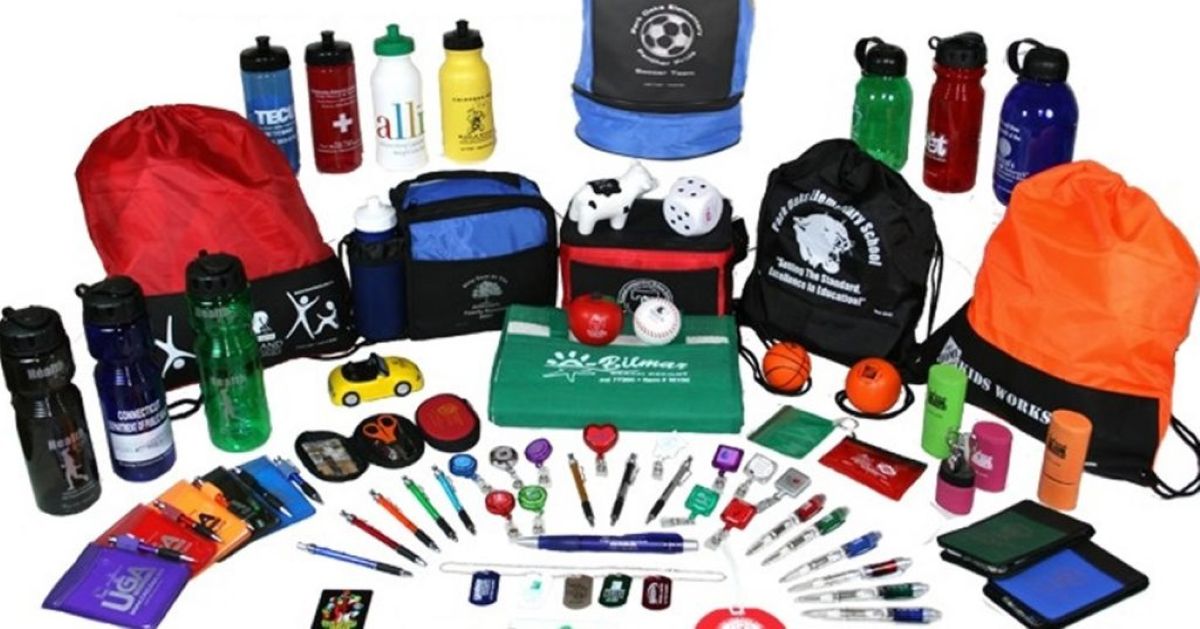
Generic swag refers to mass-produced, low-cost branded merchandise distributed widely with minimal personalisation. Standard pens, basic tote bags, and cheap keychains fall into this category—items chosen primarily for their low unit cost and ease of bulk distribution.
The Difference in Performance Metrics
The ROI comparison between these approaches reveals stark differences in performance metrics. Custom promotional products generate up to 80% better brand recall, whilst generic swag faces discard rates exceeding 70%. This gap directly impacts promotional marketing effectiveness, where every pound spent must contribute to brand awareness, customer acquisition, or loyalty building.
Why Understanding ROI Matters
Understanding which approach delivers better returns matters because promotional marketing budgets face increasing scrutiny. Marketers need evidence-based strategies that demonstrate clear value rather than simply distributing items for the sake of visibility.
This article examines the key factors influencing promotional product ROI:
- How personalisation and quality affect brand engagement
- The role of emotional connections in customer retention
- Cost considerations and sustainability implications
- Measurement strategies for data-driven optimisation
- Specific limitations of generic swag in competitive markets
The evidence consistently points towards strategic investment in custom promotional products as the path to stronger brand relationships and measurable business growth.
What Factors Influence the ROI of Promotional Products?
Five critical elements determine whether promotional products generate meaningful returns: brand engagement levels, product quality, emotional resonance, strategic selection, and distribution methods. Each factor directly impacts how recipients perceive, retain, and interact with your branded items.
Brand Engagement and Recall
Brand engagement measures how actively recipients interact with and remember your promotional products. Items that recipients use daily—such as reusable water bottles, premium notebooks, or tech accessories—keep your brand visible in their routine. This repeated exposure creates mental associations that translate into recognition when purchasing decisions arise.
Research demonstrates that promotional products generate brand recall rates significantly higher than digital advertising. Recipients remember the advertiser’s name on promotional products 80% of the time, compared to just 25% for online ads. The physical nature of these items creates tangible touchpoints that digital channels cannot replicate.
Product Quality Versus Quantity
The quality-quantity trade-off represents a pivotal decision in promotional marketing. Distributing 1,000 cheap pens costing £1 each creates brief impressions before most end up discarded. Investing that same £1,000 in 50 premium leather portfolios at £20 each ensures recipients keep and use your branded items for years.
High-quality promotional products serve as daily reminders of your brand’s commitment to excellence. Recipients associate product quality with your company’s standards, creating positive brand perceptions that influence future business decisions. A well-crafted item becomes a valued possession rather than disposable clutter.
Emotional Connection with Recipients
Promotional products that spark emotional responses generate substantially higher ROI than generic alternatives. Personalisation transforms ordinary items into meaningful gifts—adding a recipient’s name, customising colours to match their preferences, or selecting products aligned with their interests demonstrates thoughtfulness.
Multi-sensory experiences deepen these emotional bonds. Branded chocolates engage taste and smell, premium packaging creates anticipation through touch and sight, and innovative designs trigger curiosity. These sensory elements forge memorable experiences that strengthen relationships beyond transactional interactions.
Strategic Selection and Distribution
Matching promotional products to specific audience segments maximises relevance and impact. Tech professionals appreciate wireless charging pads or USB drives, whilst fitness enthusiasts value branded gym towels or protein shaker bottles. Understanding recipient lifestyles ensures
How Do Custom Promotional Products Enhance Brand Engagement and Recall?
Custom promotional products create lasting mental associations by triggering multiple cognitive pathways simultaneously. When recipients interact with personalised items, their brains process both the tactile experience and the visual brand elements, creating stronger neural connections than passive advertising exposure. This dual-channel processing explains why personalised promotional products generate up to 80% better brand recall compared to generic alternatives.
Personalisation transforms ordinary items into memorable brand touchpoints. A coffee mug bearing a recipient’s name alongside company branding becomes a daily reminder rather than disposable merchandise. The psychological principle of self-reference effect means people naturally pay more attention to items featuring personal elements, creating deeper engagement with the associated brand message.
Real-World Examples That Drive Results
Printed chocolates demonstrate how sensory experiences amplify brand engagement. When recipients unwrap custom-branded confectionery, they engage taste, smell, sight, and touch—creating a multi-dimensional brand experience. This sensory richness embeds brand memories more effectively than visual-only marketing materials.
Functional merchandise like branded power banks or quality notebooks serves dual purposes:
- Utility value: Recipients use these items regularly in their daily routines
- Visibility: Each use reinforces brand presence in practical contexts
- Longevity: High-quality functional items remain in circulation for months or years
A tech company distributing custom USB drives preloaded with helpful resources creates immediate value whilst ensuring their brand appears whenever recipients access those files. This practical approach generates continuous brand exposure without feeling intrusive.
The Customer Loyalty Connection
Brand recall directly influences customer loyalty through repeated mental reinforcement. When clients consistently encounter your brand through quality promotional items, they develop familiarity that breeds trust. Research indicates this recognition factor significantly shortens sales cycles, as prospects already feel acquainted with your business before formal engagement begins.
Lead generation benefits from strategic promotional product deployment. Trade show attendees who receive personalised items matching their professional needs—such as industry-specific tools or reference materials—demonstrate 3-5 times higher follow-up response rates. The custom element signals that your company invested thought into understanding their requirements, establishing credibility before the first sales conversation.
Customer loyalty programmes incorporating tiered custom gifts see measurable increases in repeat purchase behaviour. A subscription service offering personalised anniversary
Why Does Quality Matter More Than Quantity in Promotional Giveaways?
Product quality directly determines whether your promotional items end up in daily use or the rubbish bin. High-quality promotional products create lasting impressions because recipients actually keep and use them, transforming a one-time marketing expense into months or years of brand visibility.
The mathematics of quantity vs quality reveals a compelling truth: distributing 100 premium items that recipients use for 12 months generates far more impressions than 1,000 cheap items discarded within weeks. A well-crafted leather notebook or stainless steel water bottle becomes part of someone’s daily routine, exposing your brand to the recipient and everyone around them repeatedly.
The Retention Advantage of Premium Items
Recipients treat quality promotional products differently. A premium item signals that your brand values them enough to invest in something worthwhile. This perceived value translates into retention rates that dwarf those of generic swag.
Consider these retention patterns:
- Low-cost generic items: 70-80% discarded within the first month
- Mid-range quality products: 50-60% retained for 6+ months
- Premium custom items: 80-90% kept for over a year
When someone receives a high-quality tote bag with reinforced stitching and thoughtful design, they incorporate it into their life. That same person might toss a flimsy version after a single use.
Extended Exposure Through Daily Use
Quality products earn their place in recipients’ routines, creating long-lasting impressions through repeated exposure. A durable wireless charger sits on a desk where colleagues see it daily. A well-made jacket gets worn throughout the season, displaying your logo in various professional and social settings.
The exposure multiplier effect becomes significant. Each time someone uses your quality promotional item in public—whether it’s a sturdy umbrella, a sleek pen, or a functional backpack—your brand reaches new eyes. This organic visibility cannot be replicated by items that remain hidden in drawers or end up in landfills.
Cost-Per-Impression Reality
Breaking down the actual cost reveals why quality wins. A £5 generic item discarded after two weeks might generate 20 impressions. A £40 premium item
How Custom Promotional Products Create Stronger Emotional Connections
Custom promotional products create strong emotional connections by using personalisation and thoughtful presentation. When recipients receive items specifically designed for them, wrapped in high-quality packaging that shows care and attention, they feel valued instead of just another name on a mailing list. This emotional connection turns a simple gift into a memorable experience that strengthens the relationship between brand and recipient.
The Importance of Personalisation
The power of personalisation goes beyond just adding a name. Here are some ways to deepen the emotional connection:
- Including details specific to the recipient such as industry references or personal milestones
- Choosing products that align with individual interests or professional challenges
- Adding handwritten notes or customised messaging that acknowledges the unique relationship
- Designing packaging that creates excitement and joy when opened
Creating Lasting Impressions with Multi-Sensory Experiences
Multi-sensory experiences elevate promotional products from being just useful items to becoming unforgettable moments. A beautifully packaged gift that engages sight, touch, smell, and even taste creates strong connections in the brain that reinforce brand associations. Luxury chocolate brands are a great example of this approach as they combine visually appealing packaging, satisfying textures from high-quality materials, and the delightful experience of tasting handmade chocolates. Each sensory element strengthens the brand message and leaves a lasting impression that generic items cannot replicate.
The Business Impact of Emotional Connections
The impact of these emotional connections on businesses is significant. Companies that invest in personalised, top-notch promotional products have client retention rates up to 43% higher than those who use generic options. Recipients who feel emotionally connected to a brand become natural advocates, generating referrals at much higher rates. These recommendations made through word-of-mouth carry inherent trust that paid advertising struggles to achieve.
How Emotional Engagement Affects Purchasing Decisions
Emotional engagement also has measurable effects on purchasing decisions. When clients associate positive feelings with a brand through thoughtful promotional gifts, they tend to have higher lifetime value, make purchases more frequently, and show greater willingness to try new products or services. The initial investment in creating these emotional connections pays off through long-lasting customer relationships that extend well beyond the immediate campaign period.
How Can Strategic Selection and Distribution Improve Promotional Product Effectiveness?
Strategic selection transforms promotional products from random giveaways into powerful marketing tools by matching items to specific audience needs and brand identity. When companies choose products that genuinely solve problems or enhance daily routines for their target audience alignment, recipients perceive higher value and develop stronger brand associations.
Matching Products to Audience Needs
The most effective promotional campaigns begin with deep audience research. A tech startup targeting developers might distribute premium USB-C hubs or noise-cancelling earbuds, whilst a wellness brand could offer reusable water bottles with built-in fruit infusers. This precision ensures recipients actually use the items rather than relegating them to desk drawers.
Consider these audience-product alignment strategies:
- Professional services firms: Leather portfolios, premium pens, or desk organisers that reflect sophistication
- Fitness brands: Performance towels, resistance bands, or smart water bottles that support active lifestyles
- Eco-conscious companies: Bamboo utensil sets, seed paper notebooks, or recycled material bags that demonstrate values
- Tech companies: Wireless chargers, cable organisers, or screen cleaning kits that solve daily frustrations
Brand Values Integration
Products must embody brand personality beyond simply displaying a logo. A luxury brand distributing cheap plastic items creates cognitive dissonance, whilst a sustainability-focused company offering single-use products undermines its message. The physical quality, materials, and functionality should mirror brand positioning at every touchpoint.
Creative Distribution Methods
Creative distribution strategies amplify promotional product impact by creating memorable experiences around the gifting moment. Traditional mass distribution at trade shows often results in items being abandoned or immediately discarded. Innovative approaches generate anticipation and perceived exclusivity.
Engagement-linked giveaways reward specific actions, creating psychological investment before recipients even receive the product:
- Social media contests requiring user-generated content featuring brand hashtags
- Webinar attendance rewards delivered post-event with personalised thank-you notes
- Milestone celebrations for long-term customers or high-value purchases
- Referral programme incentives that acknowledge customer advocacy
- Interactive booth experiences where participants earn items through gamification
Timing and Context
Distribution timing significantly influences perceived value. Sending
What Are the Cost Considerations When Choosing Between Custom Products and Generic Swag?
Custom promotional products typically range from £15-£50 per item, whilst generic swag costs between £1-£10 per item. This significant price difference represents the most immediate consideration when allocating your promotional budget, yet focusing solely on upfront costs misses the complete financial picture.
Understanding the True Cost Comparison
The initial sticker price tells only part of the story when evaluating Custom Promotional Products vs. Generic Swag: Which Delivers a Better ROI? A £5 generic pen distributed to 1,000 people costs £5,000 upfront, but if 70% end up discarded within weeks, you’ve effectively paid £16.67 per person who actually keeps the item. A £30 custom gift sent to 200 carefully selected prospects costs £6,000, yet if 90% retain and use it regularly, your cost per engaged recipient drops to £33.33—whilst delivering substantially higher brand exposure over time.
The mathematics shift dramatically when you factor in:
- Retention rates: Custom items kept for 12+ months versus generic swag discarded in weeks
- Impression frequency: Daily use of quality items versus one-time exposure
- Conversion value: Higher-quality leads generated from premium gifts
- Waste reduction: Fewer items produced means lower overall spend
Investment Justification Through Brand Perception
Higher costs for custom promotional products become defensible when measured against their impact on brand positioning. Recipients perceive brands differently based on the quality of gifts received—a premium leather notebook signals professionalism and value, whilst a flimsy plastic keyring suggests corner-cutting.
Research demonstrates that 83% of consumers form opinions about a company based on the quality of promotional items they receive. When a £40 custom gift generates a client worth £5,000 in lifetime value, the return justifies the investment. Generic £3 swag rarely creates the same perception shift or relationship depth needed to move prospects through the sales funnel.
The investment justification becomes clearer when tracking metrics beyond immediate costs:
- Client acquisition cost reduction through improved conversion rates
- Increased average order values from strengthened relationships
- Higher customer lifetime value driven by enhanced loyalty
How Does Sustainability Influence the Choice Between Custom Products and Generic Swag?
Sustainability has become a decisive factor in promotional product selection as 73% of consumers now actively prefer brands that demonstrate environmental responsibility. This shift in modern consumer values directly impacts which promotional items deliver meaningful ROI.
Eco-friendly promotional products create immediate positive associations with your brand. When recipients receive a custom bamboo pen set or a reusable water bottle made from recycled materials, they perceive your company as forward-thinking and socially conscious. This perception translates into tangible business benefits—research shows sustainable promotional items generate 34% higher recipient satisfaction compared to conventional alternatives.
Advantages of Custom Products in Sustainability
Custom products offer distinct advantages in the sustainability arena:
- Material selection control: You can specify recycled, biodegradable, or renewable materials that align with your environmental commitments
- Longevity by design: Higher-quality sustainable items remain in use for years, reducing waste whilst maximising brand exposure
- Packaging options: Custom orders allow for minimal, plastic-free packaging that reinforces your environmental message
- Local sourcing potential: Working with custom manufacturers often enables regional production, reducing carbon footprint from shipping
Limitations of Generic Swag in Sustainability
Generic swag typically falls short on environmental credentials. Mass-produced items prioritise cost over sustainability, frequently using non-recyclable plastics, synthetic materials, and excessive packaging. A study of trade show giveaways found that 68% of generic promotional items ended up in landfills within six months, creating both environmental waste and negative brand associations.
Impact on Brand Image
The brand image implications extend beyond environmental circles. Younger demographics—particularly Millennials and Gen Z who represent growing purchasing power—actively avoid brands perceived as environmentally irresponsible. Distributing cheap plastic trinkets at networking events can damage relationships before they begin, whilst thoughtfully selected sustainable custom products signal shared values.
Importance of Certifications
Certifications matter when selecting eco-friendly options. Look for products with recognised environmental credentials such as FSC certification for wood products, Global Organic Textile Standard (GOTS) for fabrics, or Cradle to Cradle certification. These third-party validations add credibility to your sustainability claims and provide talking points when presenting gifts to clients or prospects.
Cost Trends
The cost differential between sustainable custom products and conventional generic swag continues to narrow. Advances in recycling technology and increased demand for eco-friendly materials are driving down prices, making sustainable options more accessible to businesses of all sizes.
Why Is Measurement and Optimisation Critical for Maximising ROI from Promotional Products?
Without tracking recipient engagement, promotional product campaigns remain guesswork rather than strategic investments. Measurement techniques transform promotional items from simple giveaways into accountable marketing assets that generate quantifiable data about customer behaviour, brand interaction, and conversion pathways.
How Do Modern Tracking Tools Enable Direct ROI Measurement?
QR code tracking embedded on promotional products creates immediate, measurable touchpoints between physical items and digital engagement. When recipients scan a QR code on a branded notebook or water bottle, marketers capture precise data: who engaged, when they engaged, and what actions they took afterwards. This direct attribution links promotional spend to specific outcomes like website visits, newsletter sign-ups, or product purchases.
UTM links printed on promotional materials function similarly, allowing teams to track traffic sources in analytics platforms. A custom USB drive with a shortened URL containing UTM parameters reveals exactly how many recipients visited your site, which pages they explored, and whether they converted. These measurement techniques eliminate the traditional black box of promotional marketing.
What Specific Metrics Should Marketers Track?
Effective data-driven optimisation requires monitoring multiple engagement indicators:
- Redemption rates for promotional codes included with products
- Scan frequency and timing patterns for QR codes
- Website traffic generated through product-specific landing pages
- Social media mentions and hashtag usage related to promotional items
- Conversion rates from promotional product recipients versus other channels
- Cost per acquisition calculated specifically for promotional campaigns
These metrics reveal which products resonate most strongly with target audiences and which distribution strategies yield the highest returns.
How Does Data Analysis Improve Future Campaign Performance?
Raw data becomes actionable intelligence when analysed for patterns and insights. If QR code tracking shows that eco-friendly tote bags generate three times more website visits than generic pens, budget allocation shifts accordingly. When UTM links reveal that promotional products distributed at industry conferences convert 40% better than those mailed directly, distribution strategy evolves.
Data-driven optimisation identifies underperforming products before significant budget waste occurs. A campaign distributing 500 branded phone accessories with embedded tracking might reveal that only 12% of recipients engage within the first.
What Are the Limitations of Generic Swag in Delivering Long-Term ROI?
Generic swag has significant drawbacks that undermine its ability to generate sustained returns. The most critical limitation is the staggering discard rate—over 70% of recipients dispose of generic promotional items within weeks or even days of receiving them, creating only fleeting brand impressions that fail to justify the investment.
Why Do Recipients Quickly Discard Generic Items?
Low retention rates stem from the fundamental mismatch between what recipients receive and what they actually need or value. Mass-produced pens, keychains, and stress balls flood the market, creating fatigue amongst consumers who already own dozens of similar items. When a promotional product lacks utility or uniqueness, it becomes clutter rather than a cherished item, ending up in rubbish bins or forgotten in desk drawers.
The quality of generic swag compounds this problem. Budget constraints typically force companies to choose the cheapest available options, resulting in products that break easily, feel flimsy, or perform poorly. A pen that stops writing after a few uses or a tote bag with weak stitching creates negative brand associations rather than positive ones.
How Does Lack of Personalisation Reduce Emotional Connection?
Generic swag suffers from limited emotional impact because it treats all recipients as interchangeable. When every attendee at a trade show receives an identical item with nothing more than a logo slapped on it, the product fails to create any meaningful connection between the brand and the individual. This one-size-fits-all approach ignores the psychological principle that people value items more when they feel personally relevant or specially selected for them.
The absence of thoughtful customisation signals to recipients that they’re simply part of a mass marketing exercise rather than valued customers or prospects. This perception directly contradicts the relationship-building goals that promotional products should achieve. Without personalisation elements—whether that’s tailored messaging, audience-specific product selection, or customised packaging—generic swag becomes forgettable background noise in a recipient’s daily life.
What Makes Generic Swag Struggle in Competitive Environments?
Minimal differentiation represents perhaps the most damaging limitation when evaluating Custom Promotional Products vs. Generic Swag: Which Delivers a Better.
Conclusion
Custom Promotional Products vs. Generic Swag: Which Delivers a Better ROI? The evidence points decisively towards custom promotional products as the superior investment for businesses seeking meaningful returns. Generic swag may offer lower upfront costs, but custom items consistently outperform through stronger brand recall, enhanced emotional connections, and measurable business outcomes.
The comprehensive analysis reveals that quality trumps quantity in promotional marketing. Custom products create lasting impressions that translate into tangible results: up to 80% better brand recall, 43% higher client retention rates, and significantly improved lead generation. These metrics demonstrate that the higher initial investment—typically £12-£40 per custom item versus £1-£8 for generic swag—pays dividends through sustained brand visibility and customer loyalty.
Strategic implementation remains crucial for maximising returns. Businesses should:
- Align promotional products with audience needs and brand values
- Invest in quality items recipients will actually use and retain
- Incorporate personalisation elements that create emotional resonance
- Utilise tracking mechanisms to measure engagement and refine campaigns
- Consider sustainability factors that align with modern consumer expectations
The path forward becomes clear when examining discard rates alone. Whilst over 70% of generic swag ends up discarded within weeks, custom promotional products earn their place in recipients’ daily lives. This extended lifespan multiplies brand exposure opportunities and strengthens the relationship between brand and consumer.
The final recommendation based on comprehensive analysis: allocate marketing budgets towards fewer, higher-quality custom promotional products rather than mass quantities of generic swag. This approach delivers deeper brand connections, measurable engagement, and superior long-term ROI that justifies the initial investment through sustained business growth and enhanced brand perception.
More to Read : Your Ultimate Guide to Designing High-Quality Custom Lapel Pins

Be First to Comment